
Brushing twice a day and cleaning between your teeth are important habits, but some parts of a tooth are simply harder to reach than others.
Take the chewing surfaces of your back teeth. Molars often have tiny grooves and pits where food and plaque can collect. A toothbrush may clean most of the surface but still have trouble reaching deep into those grooves.
That is where dental sealants come in.
For families considering dental sealants Burlington, understanding what sealants do, who may benefit from them, and what happens during application can make preventive dental decisions a little easier.
What Are Dental Sealants?
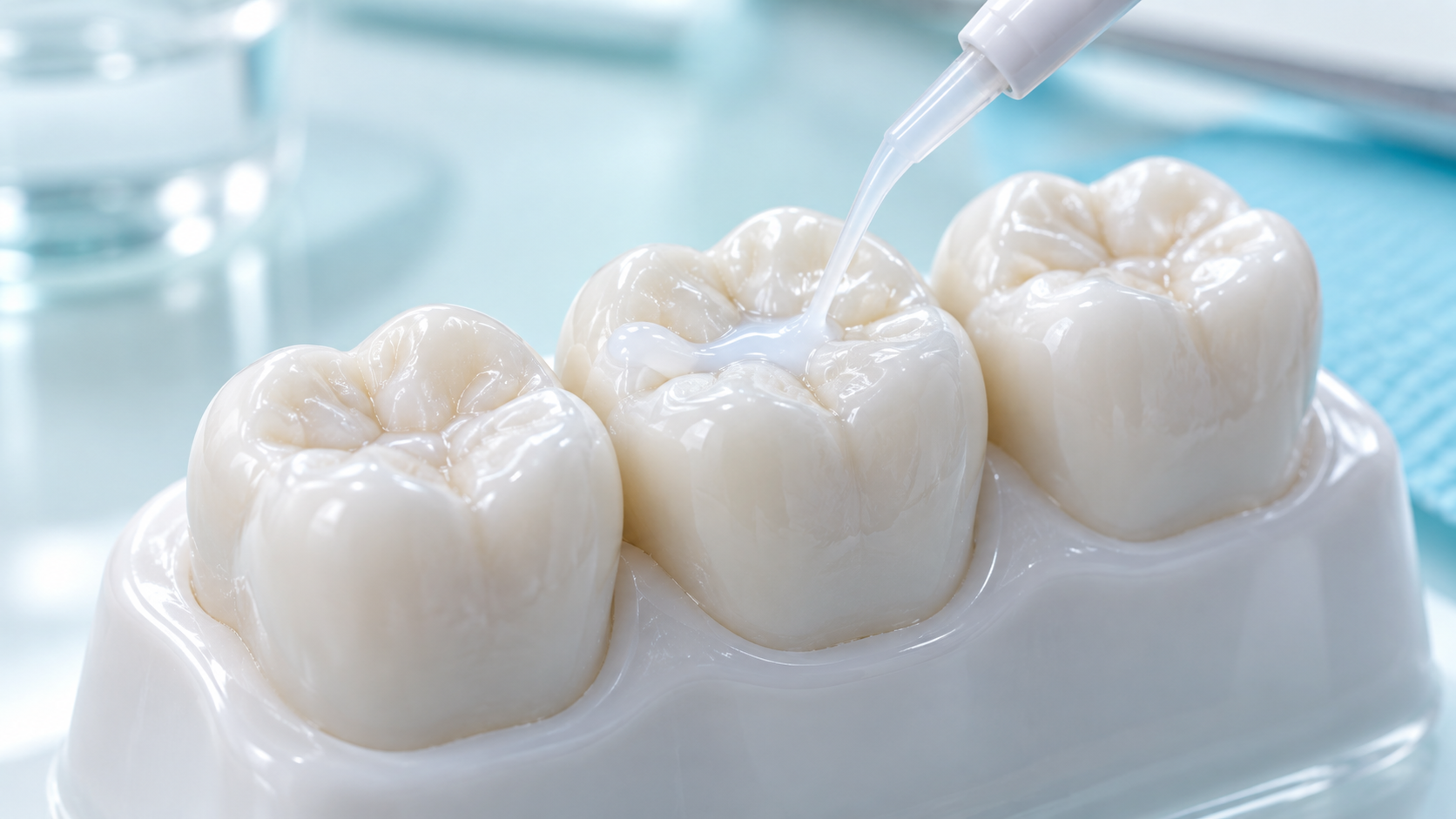
Dental sealants are thin protective coatings placed over the chewing surfaces of certain teeth, most commonly the back teeth.
Instead of filling a cavity that has already formed, sealants are used as a preventive measure. The material covers grooves and pits where cavity-causing bacteria and food particles can otherwise collect.
Think of it as adding an extra protective surface to an area that can be difficult to clean.
Tooth sealants Burlington patients receive do not replace brushing, flossing, or regular dental visits. They work alongside those habits.
Why Are Back Teeth More Prone to Cavities?
Run your tongue over one of your molars and you will notice that it is not completely smooth.
Those grooves help you chew food, but they can also trap debris.
If plaque remains in these areas, bacteria can produce acids that contribute to tooth decay. Deep grooves can be particularly challenging for children who are still developing good brushing habits.
This is one reason sealants are commonly discussed as part of cavity prevention Burlington families can consider for children and teenagers.
Adults may also benefit in certain situations, depending on the condition of their teeth and their risk of decay.
What Happens When a Dental Sealant Is Applied?
Getting a sealant is generally a straightforward process.
The Tooth Is Cleaned
The tooth is cleaned so that plaque and debris do not remain on the surface being treated.
The Surface Is Prepared
The tooth is prepared according to the sealant material being used. This helps the material bond properly.
The Sealant Is Applied
The dental professional places the sealant material into the grooves on the chewing surface.
The Material Is Hardened
Many sealant materials are hardened using a curing light.
The dentist or dental professional can then check the finished surface and your bite.
There is usually no drilling involved when a sealant is being placed on a healthy tooth for preventive purposes.
Are Dental Sealants Only for Children?
Sealants are often associated with children because permanent molars can be vulnerable to decay after they erupt.
However, age alone does not determine whether someone needs them.
An adult with deep grooves in cavity-free teeth may also be considered for sealants in certain circumstances.
A dentist can look at the condition of the tooth, existing restorations, cavity history, and other risk factors before making a recommendation.
That individual assessment is an important part of preventive dental care Burlington patients receive.
How Long Do Tooth Sealants Last?
Sealants can remain in place for years, but they are not necessarily permanent.
Chewing and everyday wear can gradually affect them.
During routine dental visits, a dentist can check whether a sealant is still intact. If part of it has worn away or come off, the dental team can determine whether it should be repaired or replaced.
This is another reason regular dental checkups still matter after sealants are placed.
Do You Still Need to Brush and Floss?
Absolutely.
Sealants protect specific surfaces of certain teeth. They do not cover every tooth or every area where decay can develop.
You still need to brush with fluoride toothpaste, clean between the teeth, limit frequent exposure to sugary foods and drinks, and attend appropriate dental examinations and cleanings.
Sealants are one piece of prevention, not a replacement for everyday oral hygiene.
Who Should Ask About Dental Sealants?
Parents may want to discuss sealants when their child’s permanent molars come in.
Adults who frequently develop cavities or have teeth with deep pits and grooves can also ask whether sealants are appropriate.
A family dentist Burlington patients visit can assess the teeth rather than recommending sealants simply based on age.
Final Thoughts
Cavities often begin in places that are difficult to keep clean. The grooves of back teeth are a good example.
Dental sealants Burlington patients receive can add a protective layer over these vulnerable chewing surfaces and form part of a broader cavity-prevention routine.
They still need to be combined with brushing, cleaning between the teeth, appropriate fluoride use, and regular dental care.
At TEETH R US DENTAL CENTRE, patients can discuss sealants and other preventive options based on their individual oral health needs. A quick conversation during a dental visit can help determine whether sealants make sense for you or your child.